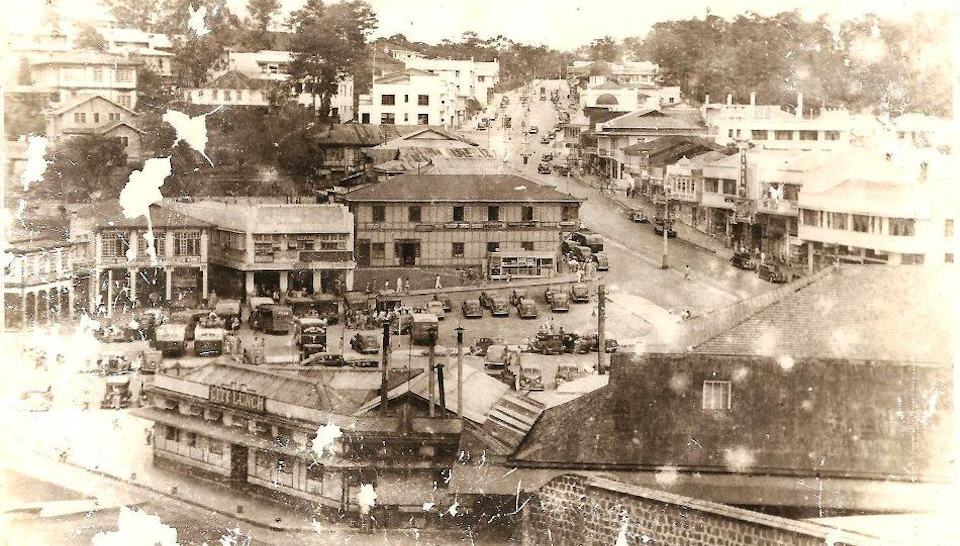
Brief History of Baguio City
Baguio City, often called the "Summer Capital of the Philippines", traces its roots to the Ibaloi people who originally inhabited the area, referring to it as Kafagway, a vast grassy valley surrounded by pine forests. During the Spanish period, the area remained largely undeveloped due to its remote location and rugged terrain.
In the early 1900s, during the American colonial era, Baguio began to transform into a mountain retreat. The Americans established it as the Philippine Summer Capital in 1903, constructing Kennon Road to connect the highlands with the lowlands, and building government structures, parks, and the famous Baguio Country Club. Architect and urban planner Daniel Burnham designed the city layout, which still influences its structure today.
Over time, Baguio became a hub of education, culture, and tourism. Despite the destruction it endured during World War II and the devastating 1990 earthquake, the city has consistently rebuilt itself. Today, it thrives as a cultural melting pot, blending indigenous heritage with modern development, while remaining a beloved destination for its cool climate, natural beauty, and vibrant festivals like the Panagbenga (Flower Festival).