Economy of Baguio City
Baguio City serves as the economic hub of Northern Luzon, combining its role as a premier tourist destination with a growing base of commerce, education, and industry. Its cool climate, strategic location, and accessibility from lowland provinces make it a center for trade, services, and innovation.
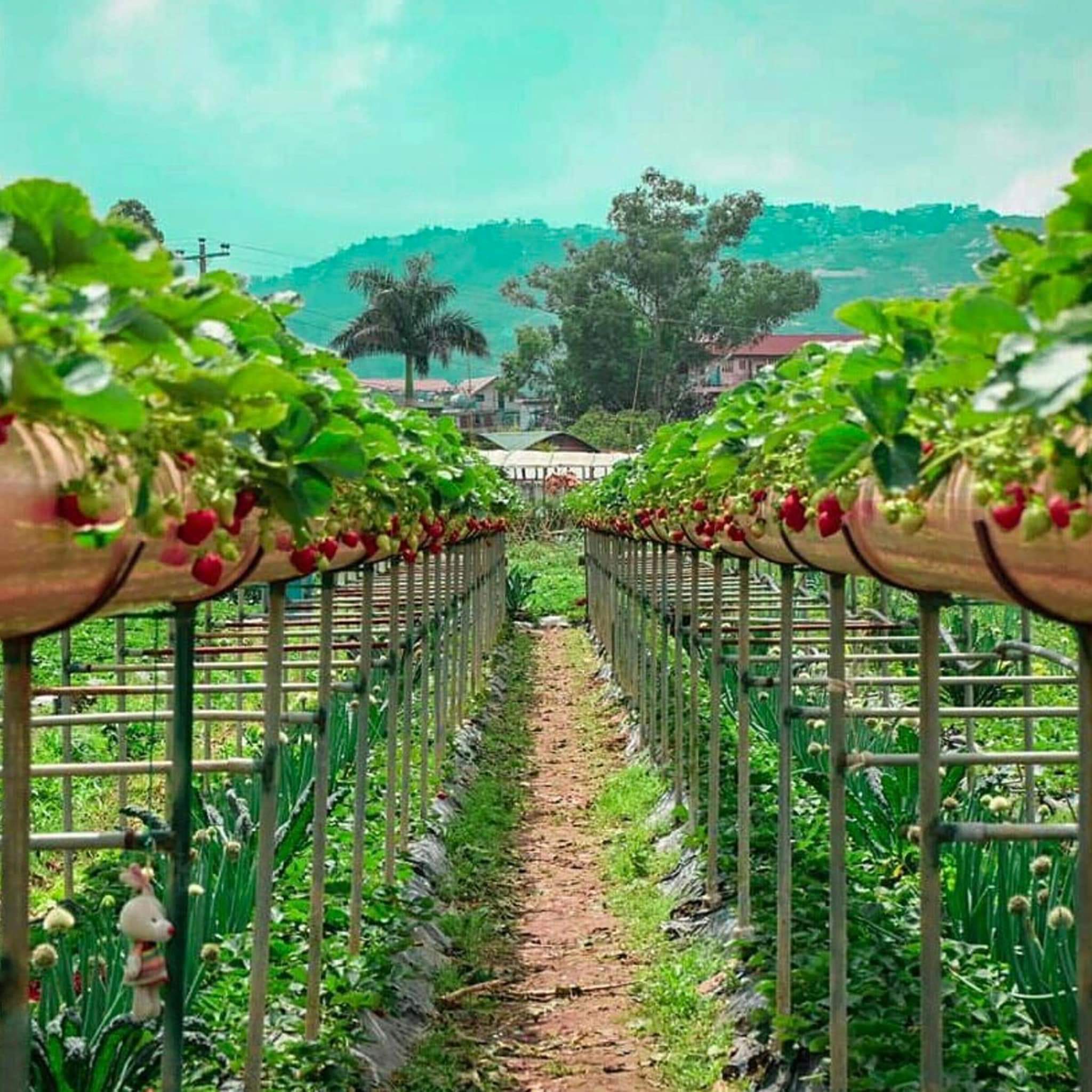
Tourism remains one of the city’s primary economic drivers. Known as the “Summer Capital of the Philippines,” Baguio attracts millions of visitors annually, drawn by its parks, cultural sites, and festivals such as Panagbenga. This steady influx of tourists supports a thriving hospitality industry composed of hotels, lodges, restaurants, cafés, and souvenir markets. Seasonal goods like strawberries, ube jam, and woven crafts also provide sustainable income for local producers.
Beyond tourism, Baguio is also a hub for education and services. Its universities and colleges attract thousands of students from across the country, sustaining a strong rental and service sector. The city is home to the Baguio City Economic Zone, which hosts business process outsourcing (BPO) firms, manufacturing companies, and IT enterprises that generate significant employment. Retail and trade flourish along Session Road and in shopping centers, while small and medium enterprises contribute vibrantly to the local economy.
Agriculture from nearby Benguet province complements the city’s economy, with fresh vegetables and flowers regularly supplied to Baguio’s markets and beyond. Coupled with an active creative industry—spanning arts, crafts, and digital services—Baguio’s economy reflects a dynamic mix of tradition and modernity, positioning the city as both a cultural capital and a competitive urban center in the highlands.