Demography of Baguio City
1. Population Growth & Size
-
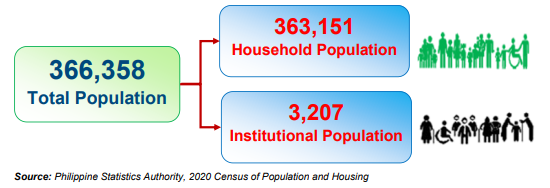
As of the 2020 Census, Baguio City had a population of 366,358.WikipediaPhilippine Statistics Authority
-
This marked a steady growth from previous census figures: 345,366 in 2015, 318,676 in 2010, and 252,386 in 2000 (pushing about 63% growth over two decades).WikipediaCity Population
-
Projections estimate the metro area (including suburbs) population at around 407,000 by 2025.MacrotrendsWorld Population Review
2. Population Density
-
With a land area of approximately 57.5 km², Baguio's density exceeds 6,000 people per km², a stark contrast to the original city plan meant for just 25,000–30,000 residents.Wikipedia
3. Age Structure & Gender
-
Baguio boasts a notably young population—about 65.5% are under 30 years old.WikipediaIslands Philippines
-
In terms of gender: 51.3% female and 48.7% male.WikipediaIslands Philippines
-
Population breakdown (2020):
-
0–14 years: 86,126
-
15–64 years (working age): 256,566
-
65+ years: 20,459City Population
-
4. Household Composition
-
The household population (residents in private households) comprised 99.12% of the total—363,151 persons—while the remaining 0.88% live in institutional settings like dormitories, clinics, and similar facilities.Philippine Statistics Authority
-
Number of households in 2020: 100,220, up from 89,987 in 2015.Philippine Statistics Authority
-
Average household size decreased to 3.6 persons, down from 3.8 in 2015 and 4.0 in 2010.Philippine Statistics Authority
5. Recent Trends & Regional Context
-
As of 2024, Baguio City’s population is estimated at 368,426, making it the second most populous locality in the Cordillera Administrative Region (next to Benguet Province).CPD Car
-
The regional population growth has notably slowed—Baguio’s rate dropped to just 0.14%, down from higher figures in previous years.Philippine Information AgencyCPD Car
6. Median Age & Age Distribution
-
The median age in Baguio is 24.3 years, with minimal difference between males (24.0) and females (24.6)CityFacts.