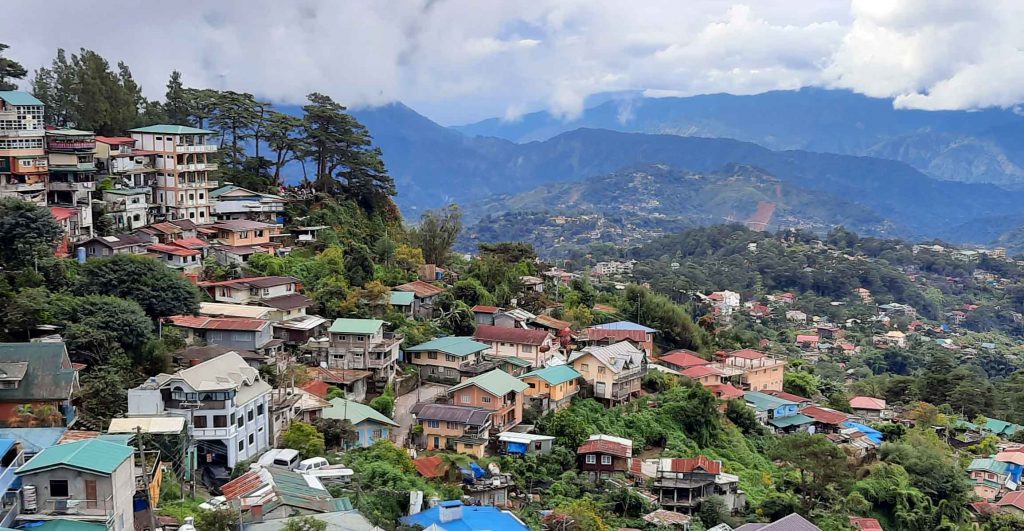
Infrastructure in Baguio City
Baguio City, as the regional center of the Cordillera Administrative Region (CAR), has a well-developed infrastructure network that supports its role as a hub for government, education, commerce, and tourism.
-
Transportation: The city is accessible via major roads like Marcos Highway, Kennon Road, Naguilian Road, and the scenic Aspiras–Palispis Highway. Inside the city, jeepneys and taxis serve as primary modes of transport. The nearby Loakan Airport has resumed commercial flights, enhancing air connectivity.
-
Utilities: Power is supplied by the Benguet Electric Cooperative (BENECO), while water is managed by the Baguio Water District. Telecommunications and internet services are provided by major national providers, supporting both businesses and residents.
-
Health & Education Facilities: Baguio hosts tertiary hospitals like Baguio General Hospital and Medical Center and private healthcare institutions. It is also home to top universities such as Saint Louis University, University of the Philippines Baguio, and University of Baguio, making it an educational hub in Northern Luzon.
-
Business & Commercial Centers: Modern malls (SM Baguio, Porta Vaga) coexist with public markets and small enterprises. Business parks and IT hubs are growing, especially in the BPO sector.
-
Tourism & Public Spaces: Parks like Burnham Park, Mines View, and the Botanical Garden are maintained as key green infrastructures. Road widening and drainage projects are ongoing to ease congestion and manage rainfall runoff.
-
Housing & Lodging: A mix of traditional residences, subdivisions, transient houses, and hotels cater to both locals and the influx of tourists.
Overall, Baguio City’s infrastructure blends modern urban development with its mountain environment, though challenges such as traffic congestion, waste management, and limited land area remain key concerns for sustainable growth.