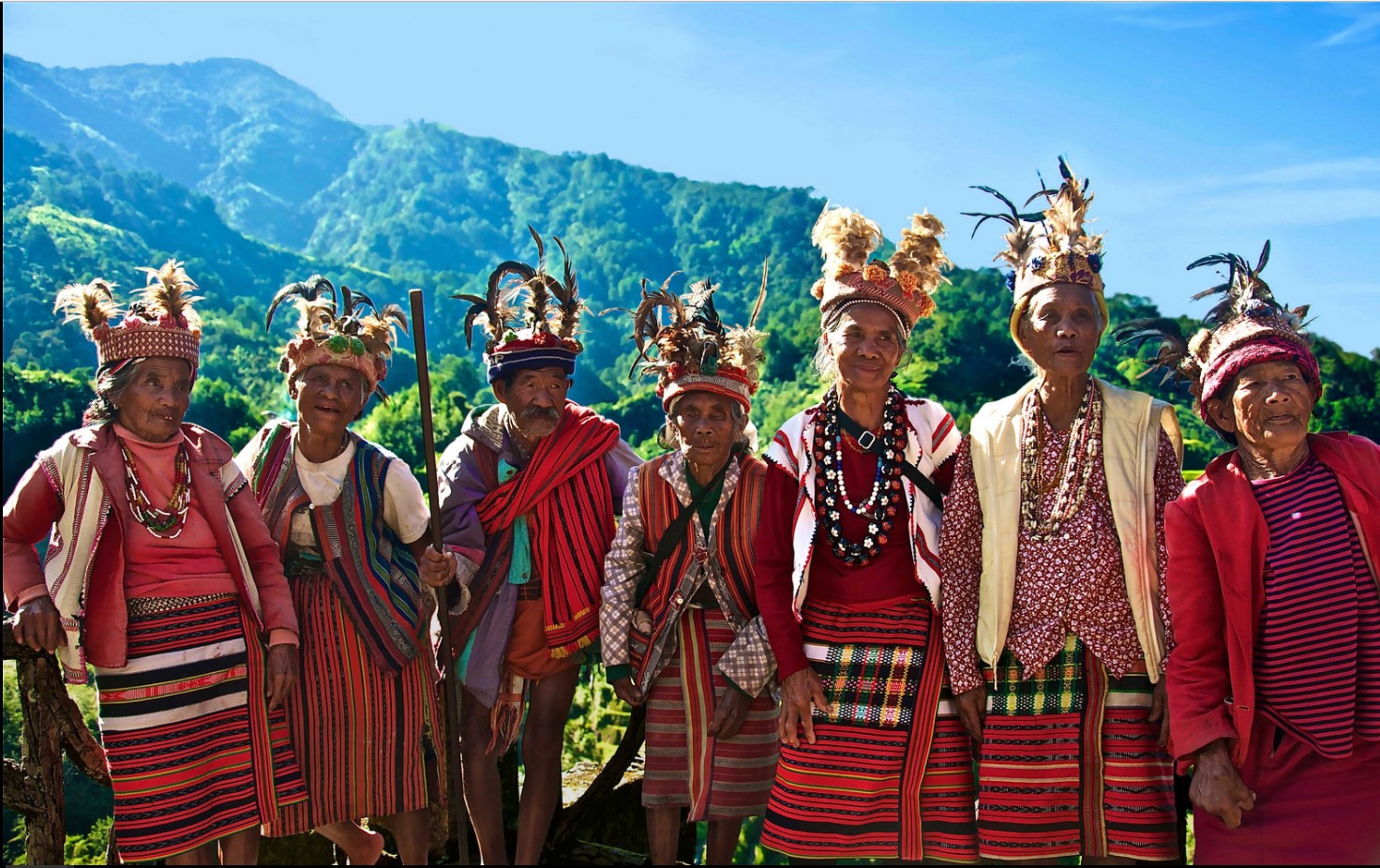
Culture and Heritage of Baguio City
Baguio City, fondly called the "Summer Capital of the Philippines", is not only a hub for tourism and leisure but also a vibrant center of culture and heritage shaped by both indigenous traditions and colonial history. Perched in the Cordillera mountains, Baguio reflects a blend of native Cordilleran identity and the American colonial past that influenced its architecture, urban planning, and institutions.
Indigenous Roots
The culture of Baguio is deeply tied to the traditions of the Ibaloi and other Cordilleran peoples such as the Kankanaey, Ifugao, and Kalanguya. Their practices in farming, woodcarving, weaving, and rituals continue to influence daily life and festivals in the city. Landmarks such as Tam-awan Village showcase reconstructed traditional huts, art, and performances that honor indigenous heritage. Local crafts like woven textiles, woodcrafts, and silver jewelry are prized symbols of the Cordilleran way of life.
Colonial Influence
During the American colonial period in the early 1900s, Baguio was developed as a hill station. Renowned American architect Daniel Burnham designed its urban plan, laying out Session Road, Burnham Park, and key government centers. American influence is also reflected in heritage structures like the Baguio Cathedral, The Mansion, and Teachers Camp, many of which still stand as reminders of the city’s historical development.
Festivals and Traditions
One of Baguio’s most iconic cultural celebrations is the Panagbenga Festival or “Festival of Flowers,” held every February. This month-long festivity highlights Baguio’s identity as the City of Flowers, with street dancing inspired by Cordilleran traditions, and grand floats adorned with fresh blooms. Aside from Panagbenga, local barangays hold fiestas and rituals honoring saints, ancestral spirits, and harvests, blending indigenous beliefs with Christian traditions.
Arts and Creative Identity
Baguio is recognized as a UNESCO Creative City for Crafts and Folk Art, underscoring its thriving artistic community. Artists such as BenCab (Benedicto Cabrera) and collectives at Ili-Likha Artist Village have turned Baguio into a cultural hub for contemporary and traditional art. Handicrafts, ukay-ukay thrift culture, music, and performance art all form part of its creative landscape.
Living Heritage
More than its landmarks, Baguio’s cultural heritage is lived daily—through its food, art, community values, and resilience. From the warm hospitality of its people to the preservation of indigenous rituals alongside modern festivals, Baguio City remains a place where tradition and progress harmoniously coexist.